Sorting Gambling Myth vs Fact for Mobile Pokies Players0
Sorting gambling myth vs fact matters when you are deciding how to spend an arvo on a phone that is already busy as a pub counter on a Saturday. The noise around pokies rarely helps, and plenty of what gets repeated in regional New South Wales clubs and online alike has been polished until it sounds like law. I have spent thirty years designing slot mechanics across more than three hundred titles, and I can tell you that player psychology is where the real confusion starts. When a licensed entertainment brand drops onto a screen, the familiar artwork can make a machine feel safer than it is, even though the underlying mathematics has not changed one bit.
What Actually Drives the Spin
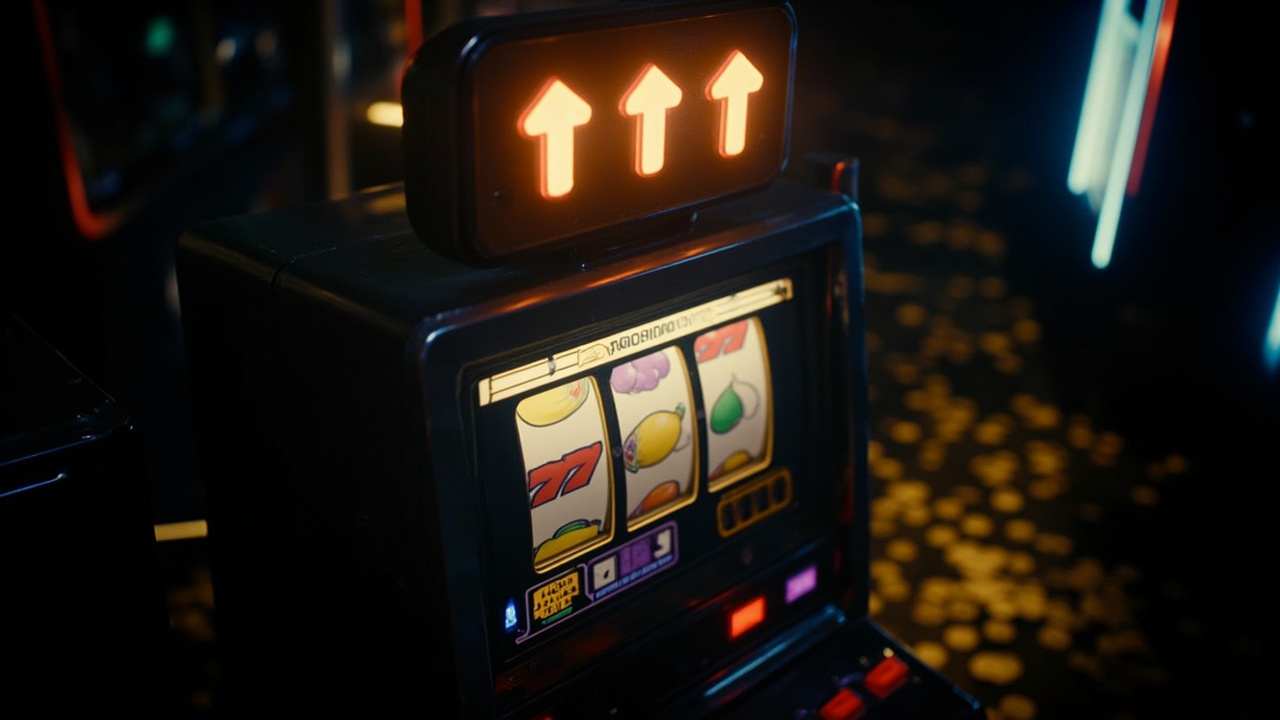
The first gambling myth vs fact I want to clear up is the idea that a machine can be “due” for a win after a dry run. That belief survives because humans are pattern hunters, and I have built pacing into games specifically to work with that instinct rather than against it. A reel set does not remember your last ten spins, and no amount of staring at a cold streak will tilt the return profile. In the United States, some operators publish theoretical hold percentages more openly, which at least gives players a clearer sense that the edge is baked into the design from day one. Here, the conversation tends to orbit around the pub and RSL pokies culture, where a familiar machine in a local club can feel more trustworthy than a browser window, even though the same discipline of random outcomes applies in both places.
When you spin reels on book of dead slot, you are watching a licensed theme do its work on top of a standard random result generator. The animation, the audio cues, the near-miss framing – all of it is tuned to keep attention on the moment, not on any imaginary balance sheet the game is keeping for you. That is not a criticism of the craft; it is the craft. My judgment call as a designer is that transparency about volatility matters more than any story a theme tells, and players who understand that a high-variance set can go quiet for a long stretch are the ones who manage their sessions with their eyes open.
Reading the Screen on a Phone
Mobile usability is where a lot of the softer claims start to fray, because a phone is not a dedicated cabinet and every extra tap costs attention. A browser or app needs to load quickly, keep the paylines readable on a three-inch screen, and let you move between your game, your balance, and your account details without hunting through nested menus. I have seen designs where the spin button drifts too close to the stake control, and that is a small thing until you have fat-fingered a raise in the middle of a fast session. Responsiveness is not a luxury feature; it is the difference between a session that feels controlled and one that feels like you are wrestling the interface.
Navigation should respect the way people actually play on the move. Most mobile sessions are short, interrupted, and squeezed in between other tasks, so the sensible layout keeps the core controls in the lower third of the screen and leaves the top for information you actually need to scan, like current lines, bet level, and any active feature meter. Performance matters just as much: a stutter on the reel stop or a laggy balance refresh breaks the rhythm and turns a measured session into one where you are waiting on the device rather than making a decision. I have compared this to how some European markets push stricter separation between promotional messaging and the game screen itself, which at least keeps the player’s attention on the mechanics instead of on a flashing offer.
Payments and registration should follow the same plain-spoken logic. A clean sign-up flow, a single currency displayed consistently, and a balance that updates without making you reload the page are basic expectations, not selling points. Loyalty mechanics can be useful if they are simple – a straightforward points path that you can read at a glance – but they become noise when the tiers are buried behind three menus and a promo calendar. Support needs to be reachable without a puzzle, because when a payment or session question comes up, you do not want to be reconstructing your last twenty minutes for a chatbot that cannot see your account.
Who This Fit Works For
The first player-fit scenario is the person who wants a short, focused session on the train or in a regional New South Wales town after work, and who would rather have a clean mobile layout than a wall of promotional noise. For that player, the value is in a screen that stays readable, a stake control that is easy to adjust without error, and a game pace that does not assume you are sitting at a desk. The second scenario is the player who is already comfortable with pub and RSL pokies culture and is curious about the same kind of gameplay online, but wants the mobile experience to feel at least as clear as the cabinet they are used to. Here the comparison is simple: if the phone version hides your line settings or makes your balance hard to check, it is not doing the job the local machine does by habit.
A third scenario is the player who treats the theme as entertainment first and is happy to spend an hour with a licensed set like a forest adventure or a film tie-in, provided the underlying controls are honest and the session tools are easy to find. My own call on that is that a strong theme is a bonus, not a substitute for clear mechanics, and anyone playing for the artwork alone still deserves a layout that lets them see what they are actually doing. No one should start a session assuming a familiar brand changes the odds, because it does not, and the discipline of the reel set is what stays constant across every licensed wrapper.
A Measured Way to Think About It
The useful habit is to treat every session as a paid bit of entertainment with a budget you set before you start, and to judge the experience by how clearly the screen lets you do that. If the mobile fit is right, you can check your stake, read your lines, and stop without fighting the interface; if it is not, the game is asking you to do more work than the play is worth. That is the real gambling myth vs fact divide – not whether a machine is “hot” or “cold,” but whether the design around it is honest enough to let you make a sensible call.
That same discipline keeps you from chasing losses when the interface works against you, because a clear budget is only useful if you can actually follow it. For a broader look at how mobile design shapes everyday spending habits, see the analysis at budget-friendly mobile design. When the layout respects your limits, the session stays a deliberate choice rather than a friction-heavy chore. spin reels on book of dead slot
Comments are closed.